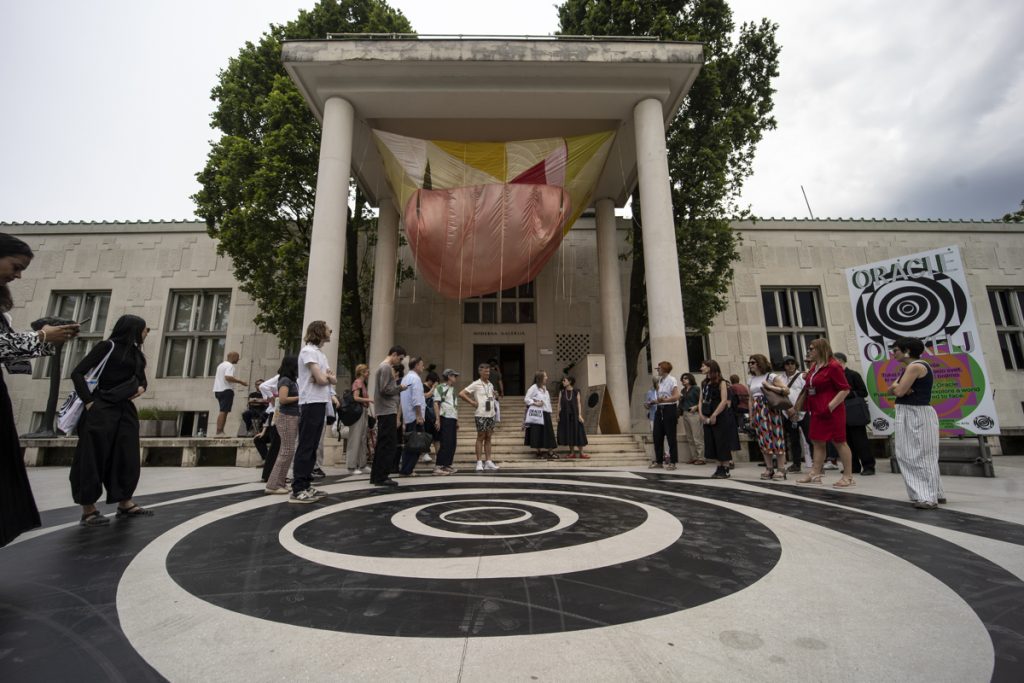
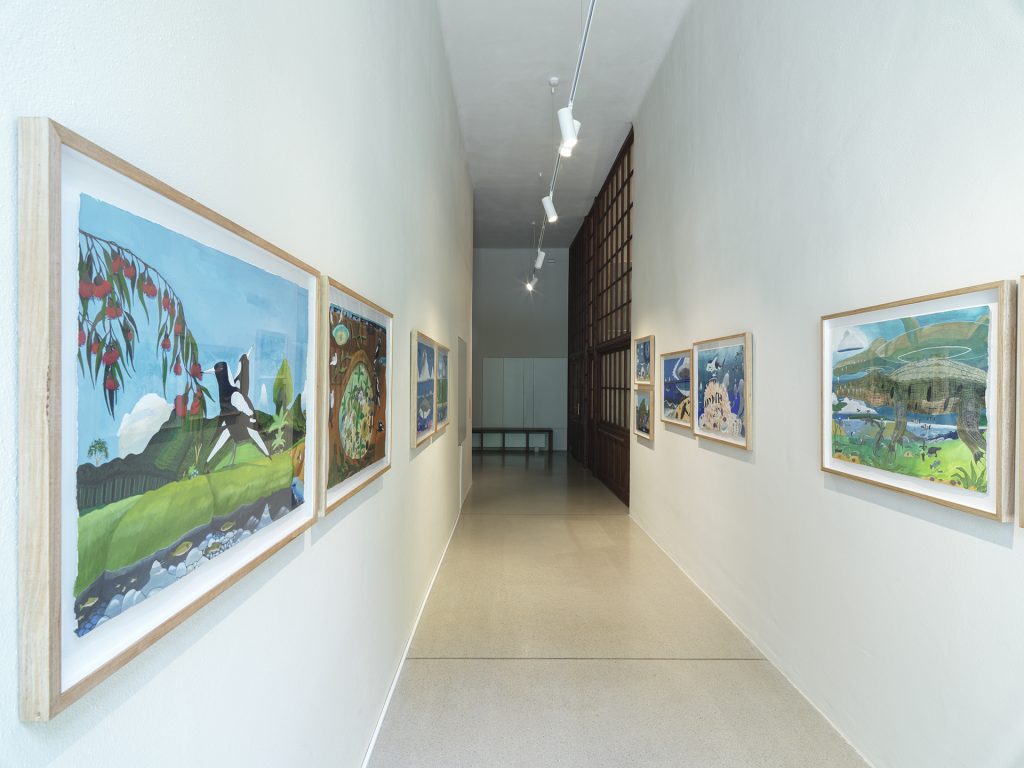
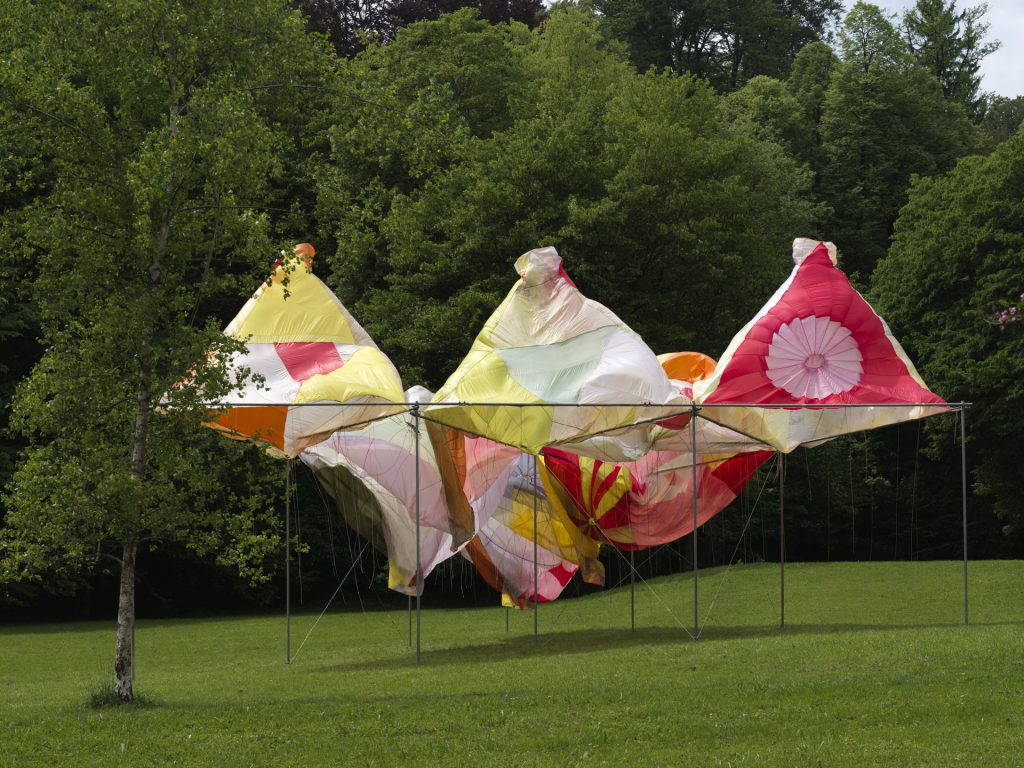
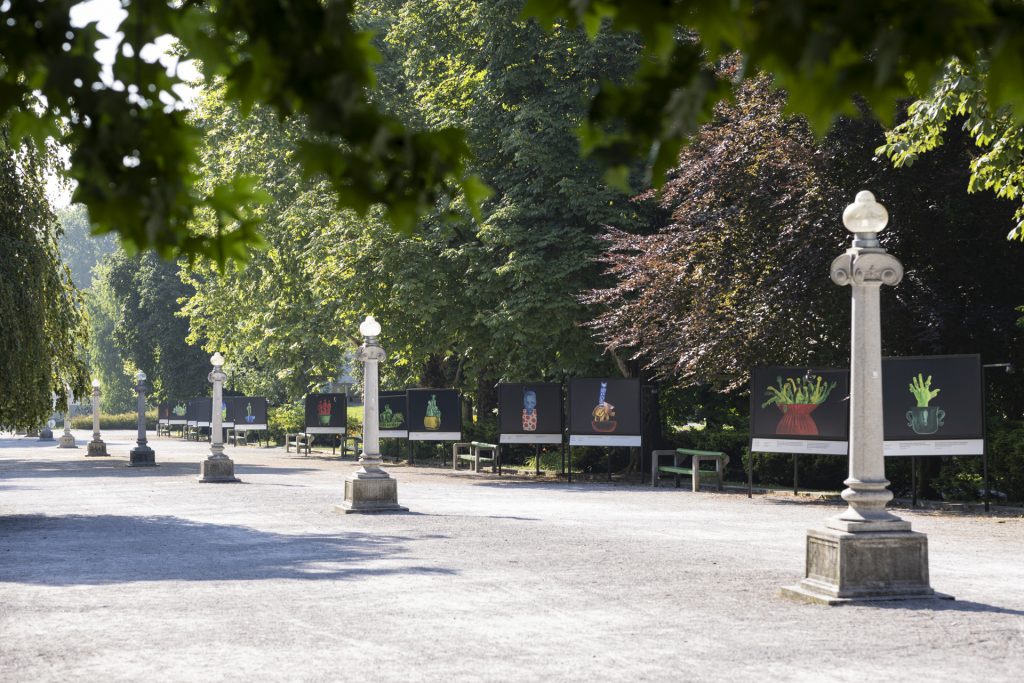
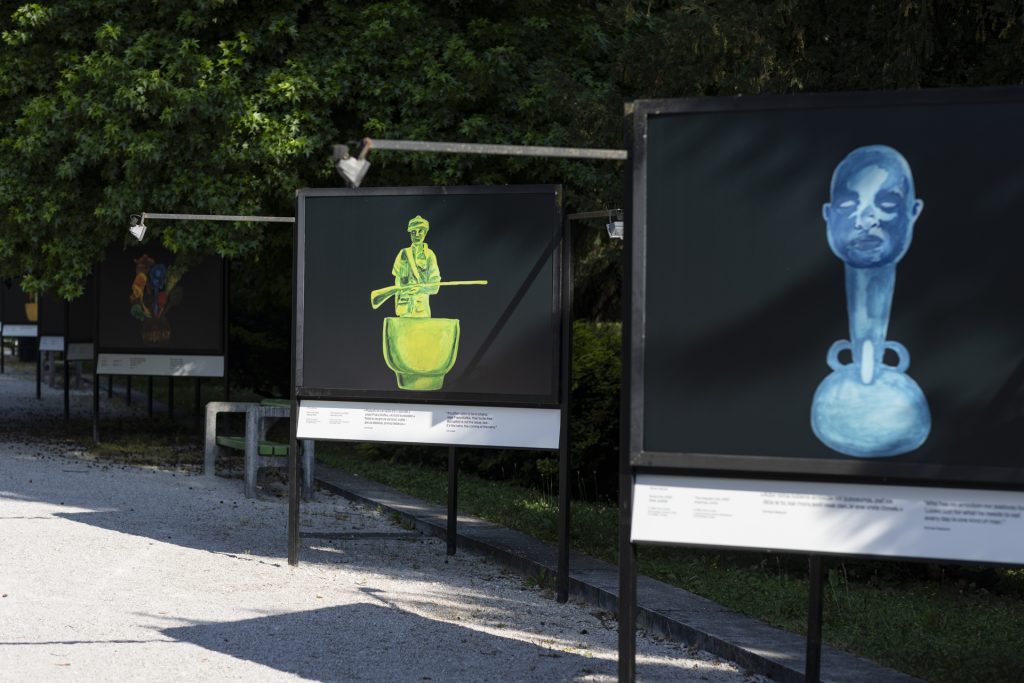
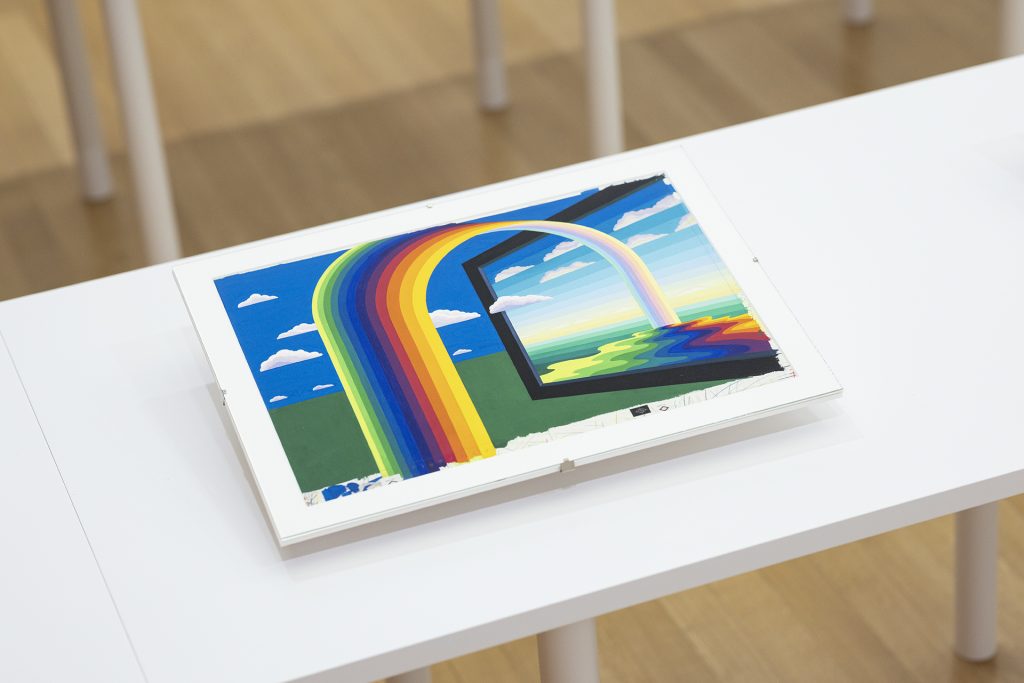
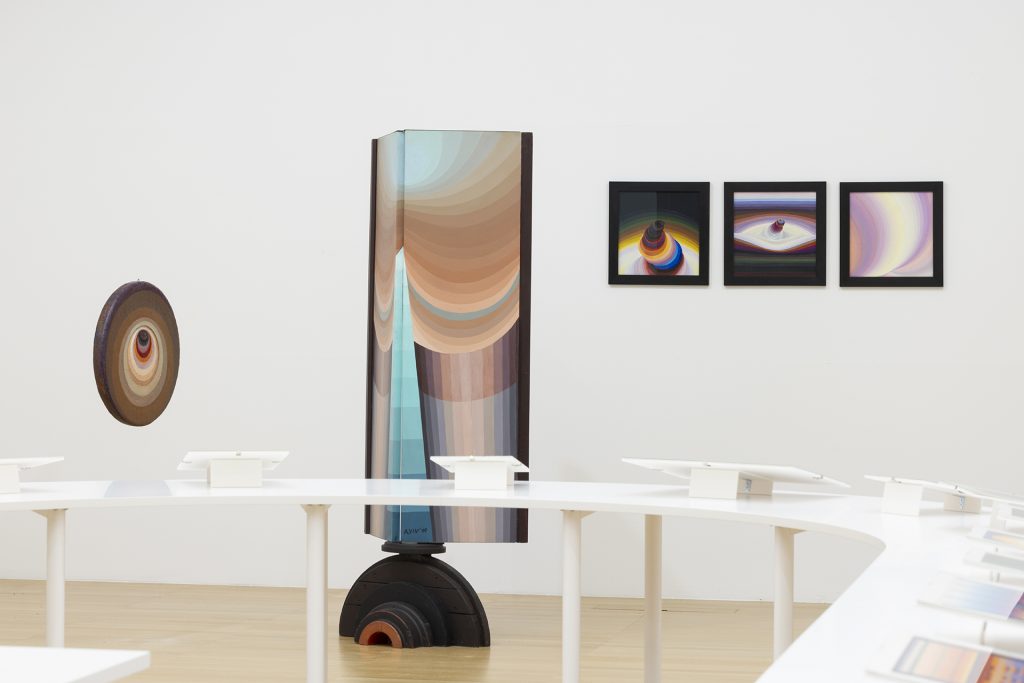
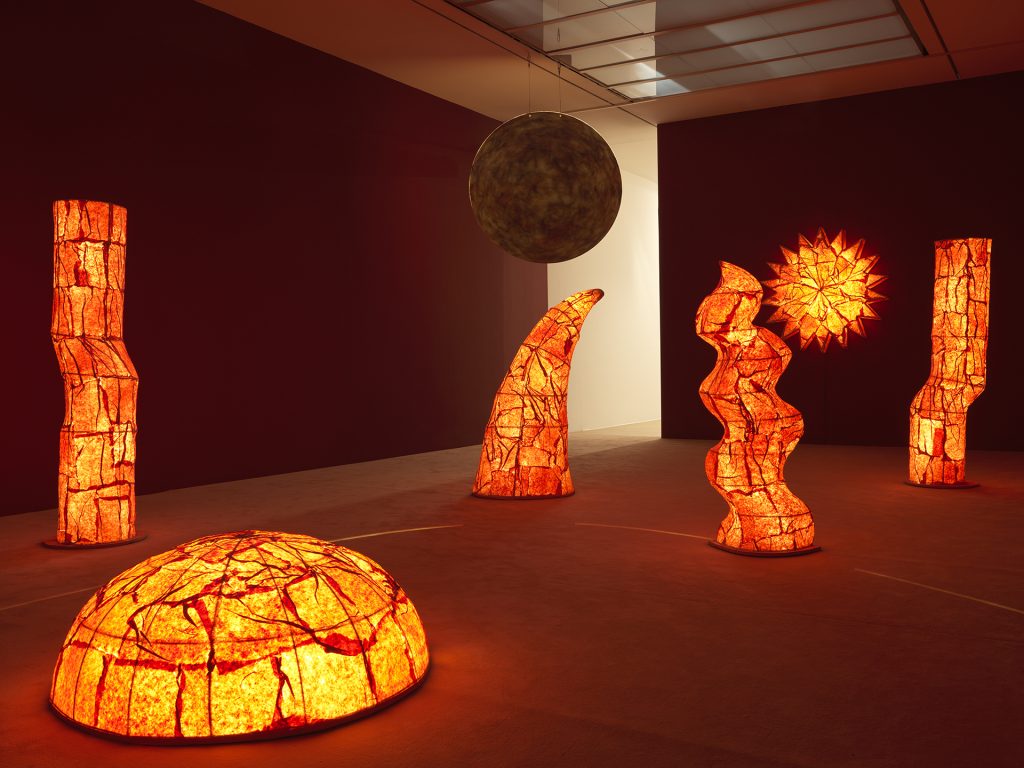
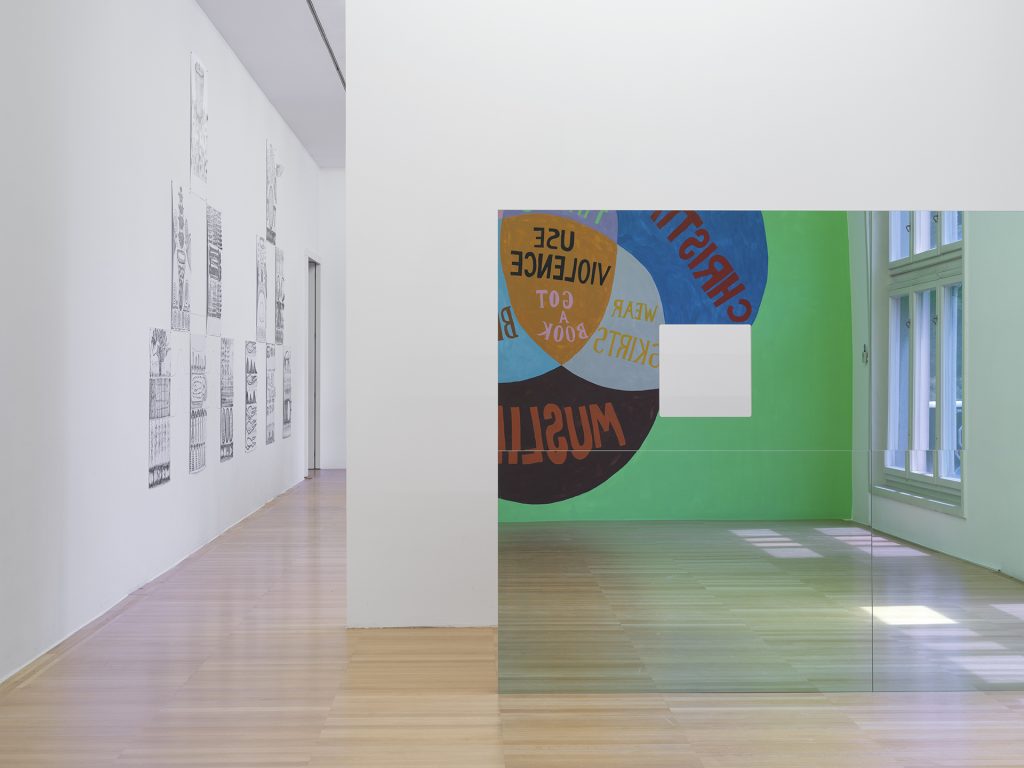
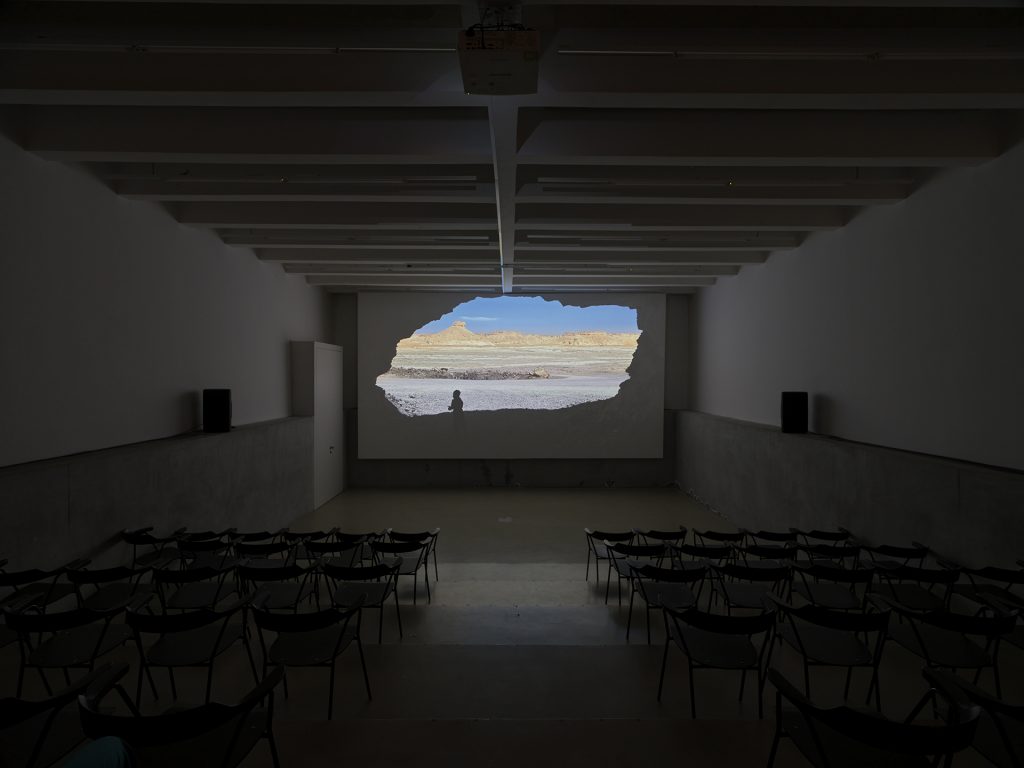
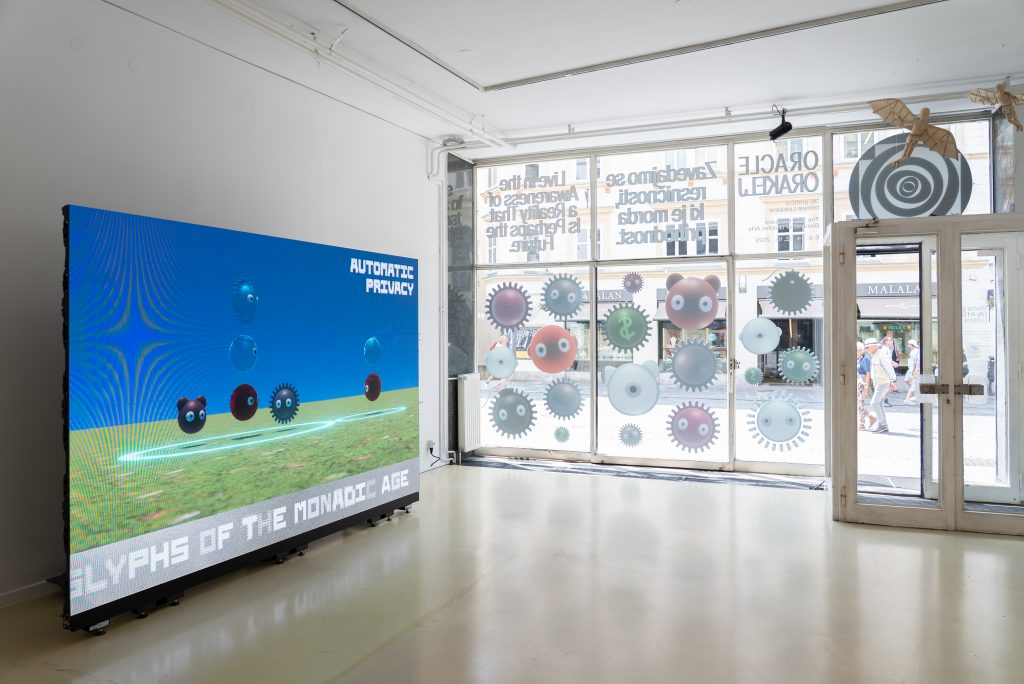
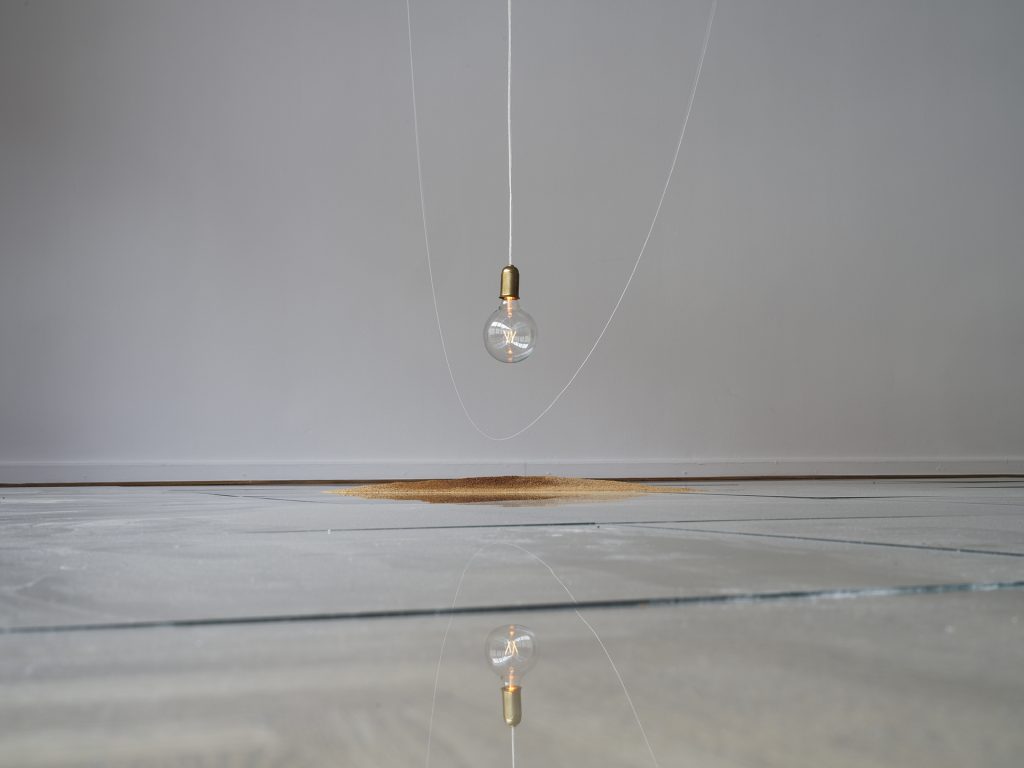
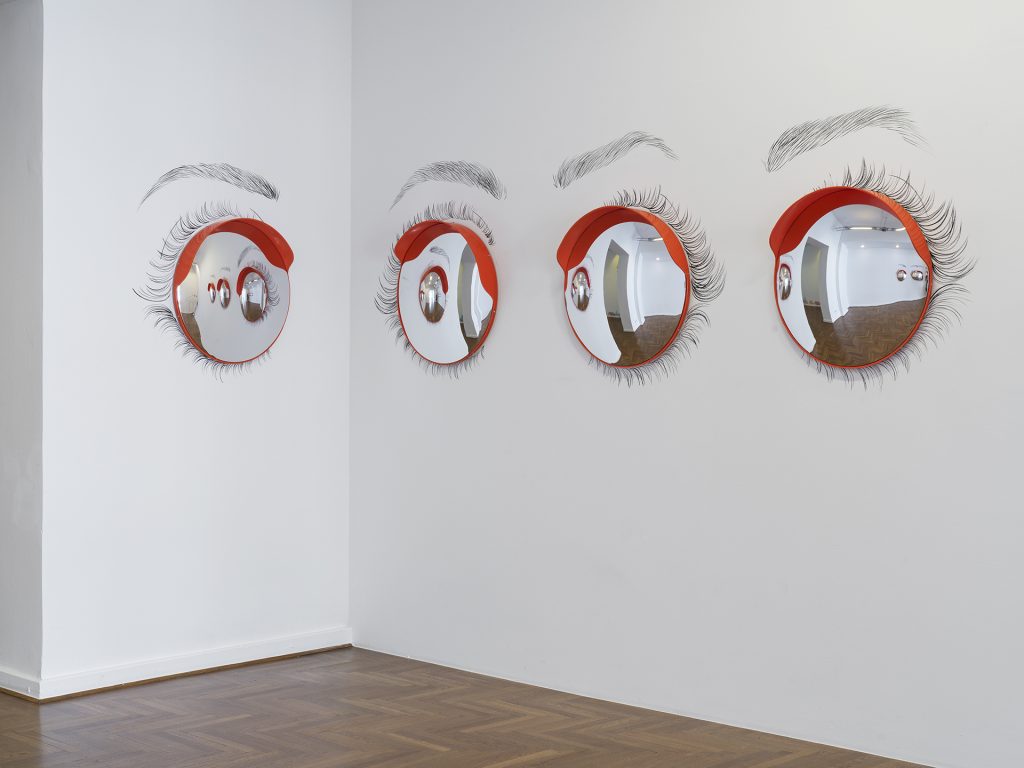
The Oracle, as Chuz Martínez titled the main exhibition of the 36th Ljubljana Biennale of Graphic Arts, names and honours the symbolic place from where all beings wonder about the course of life. Because we care about tomorrow, we should assume we care about staying alive, about a world in peaceful coexistence. Times of increasing insecurity and the experience of living in a world that refuses to accept our needs give birth to many forms of escapism and misleading decision-making. Searching for big answers and the expectation of big movements capable of undoing the damage of wars and dark forces seems unrealistic. Art – all arts – assumes the existence of a tiny but meaningful spot from where to be free and dream and demand freedom and peace. The Oracle was about this tiny spot. The Biennale claimed that every art and cultural manifestation is an oracle, a place we are given to reflect and ponder on how the common good is possible, how a good life based on shared values is to be achieved.
This Biennale was, then, an oracular place, a place for interpretation, and at the centre of The Oracle in Ljubljana was Žogica Marogica, Speckles the Ball. Žogica is a figure that embodies tradition, politics, and the need to invent systems able to transmit, educate, and connect people. Almost every citizen in Slovenia knows this puppet. A colourful head-ball created by the artist Ajša Pengov (1913–1983) for a play, written by Jan Malík (1904–1980), that was staged at today’s Ljubljana Puppet Theatre in 1951 and that immediately became an incredible hit after its Ljubljana puppet and radio premiere, and that has now lived on the puppet stage for several decades. The puppetry traditions and their interest in inventing autonomous beings made by craft and fantasy have an enormous potential to reflect on many of the issues that affect the modelling of our world scenarios today: gaming technology; disembodied and autonomous intelligences capable of surpassing the human; analogue mass education in times of the digital; new forms of folklore to bond and dream together. Žogica, a puppet born out of the concern about who controls whom, connects the old dream of autonomy with the new nightmares around technology. When creating puppets, writer Ajša Pengov wondered: Should puppets be operated by hands or strings? Should they be an extension of our human body or become independent? They are not modelled on the theatre of human actors, but autonomous in their movements and expressions.
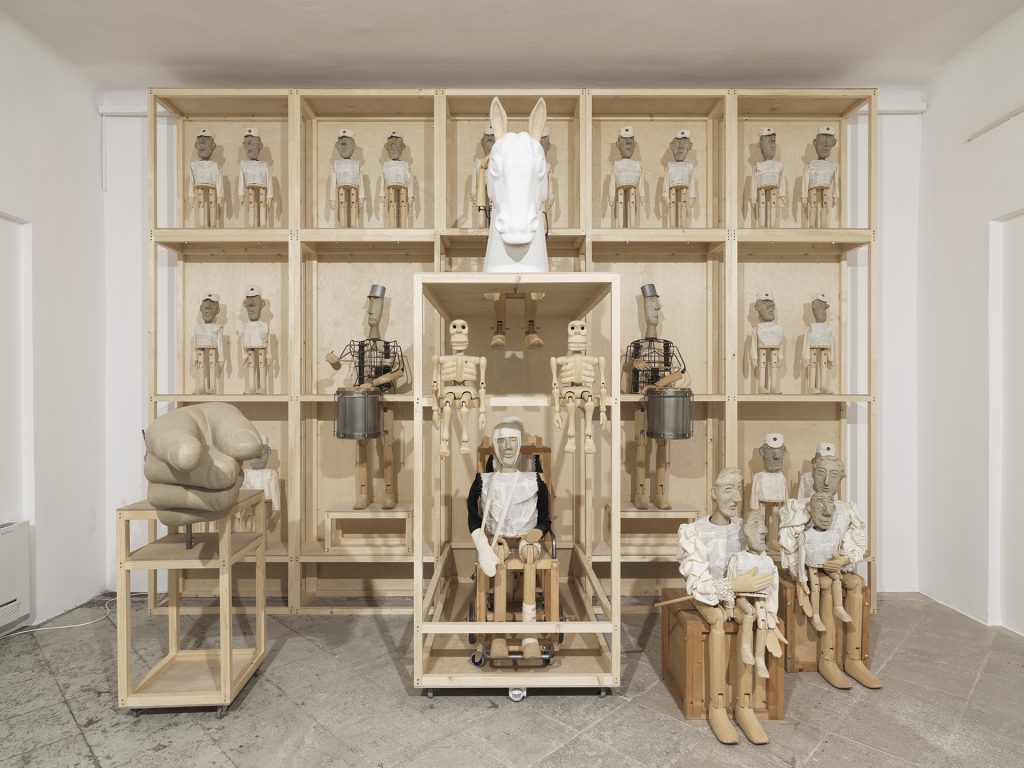
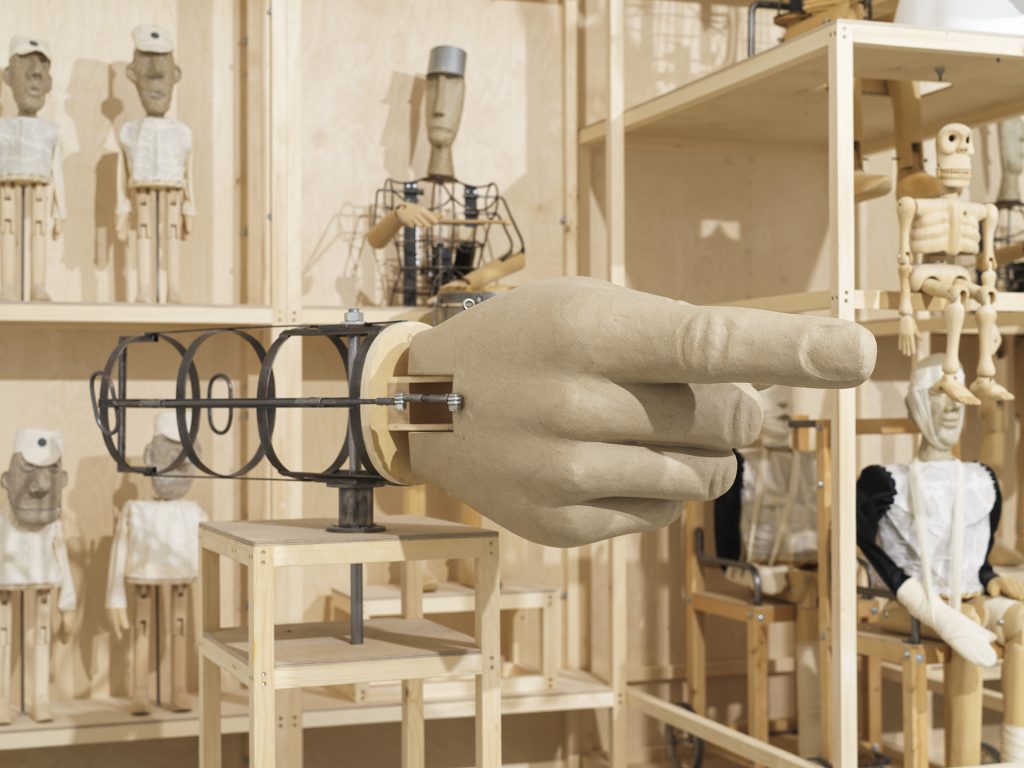
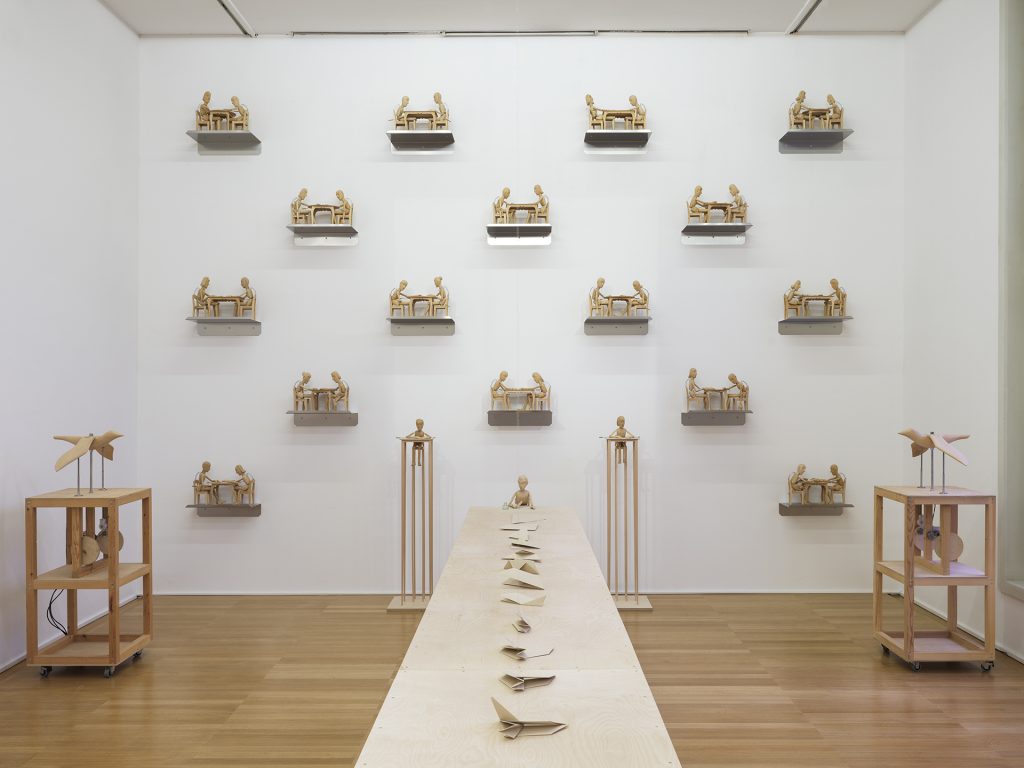
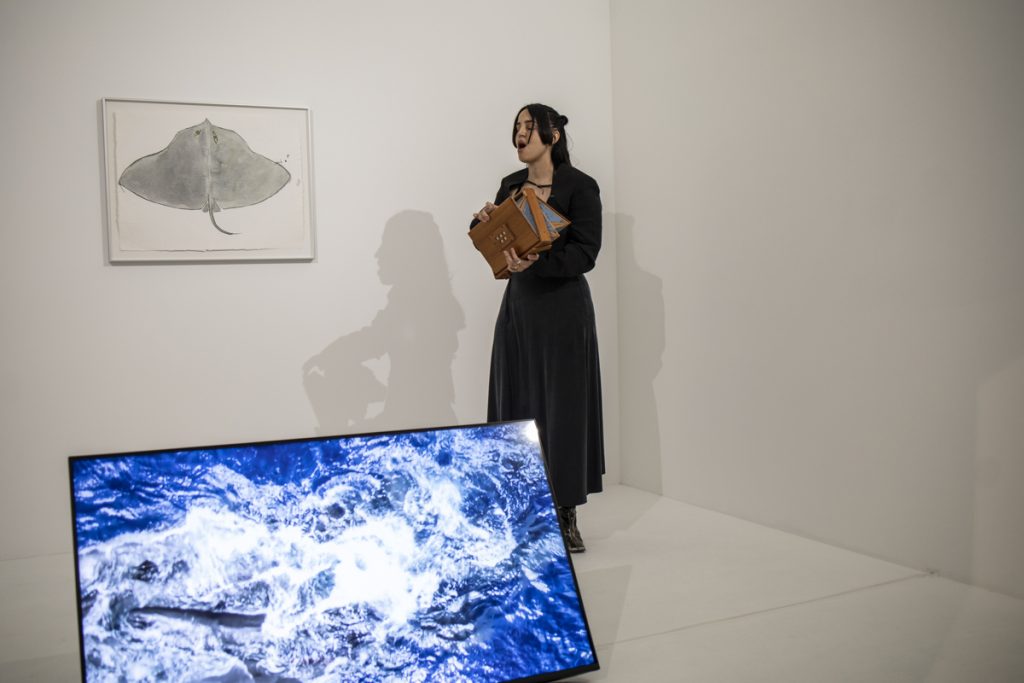
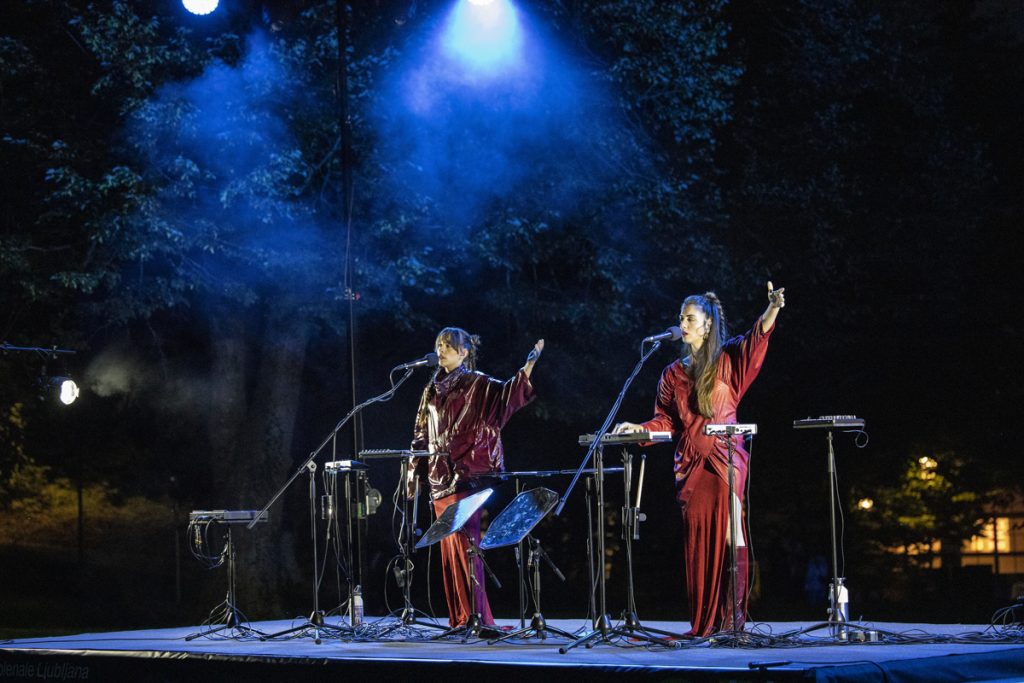
At each exhibition venue, a special place was dedicated to mechanised puppets and automata by Silvan Omerzu. Thematically, they were connected to either the venue or the questions posed by the exhibition. These artworks became our companions and interlocutors, as well as points of support. Though they are silent, the expressive power they hold is such that they can be used to reflect on war and peace, compassion and mutual care, myths and dreams, and poetry and poetic freedom. As part of an immense effort to keep the mind open, poetry especially should be presented alongside contemporary art. Strongly believing this, Chus Martínez positioned selected poems by Svetlana Makarovič at each of the venues. Since our brain is also a literary machine, this can be understood as an invitation to understand the history of freedom as intertwined with the findings of literature. Our mind uses metaphors to make meaning from time and place. Stories, projections and parables existed long before grammar, and language therefore stems from these cognitive abilities. Art and literature are crucial – not just because of their taste, shape or topics, but rather because their very existence ensures we will find a way forward, restore the balance and regenerate the values of life and freedom. Music, which plays a similar role, almost ritually inaugurated the 36th Ljubljana Biennale of Graphic Arts. The Catalan singer Maria Arnal accompanied the first visitors of the exhibitions with song, inviting them to communal, though improvised singing. After the official exhibition opening, the musicians creating under the name Tarta Relena took over the Plečnik auditorium. The two singers perform contemporary renditions of Mediterranean folk songs in Spanish, Catalan, Italian, Latin, Judeo-Spanish and Greek, reflecting the richness and interconnectedness of this space. As emphasised by the curator and artistic director of the biennial, such creators constantly remind us that folk music and art in the broader sense of the word are a common good that does not belong to nationalist interests, but rather express the history and the shared human experience.
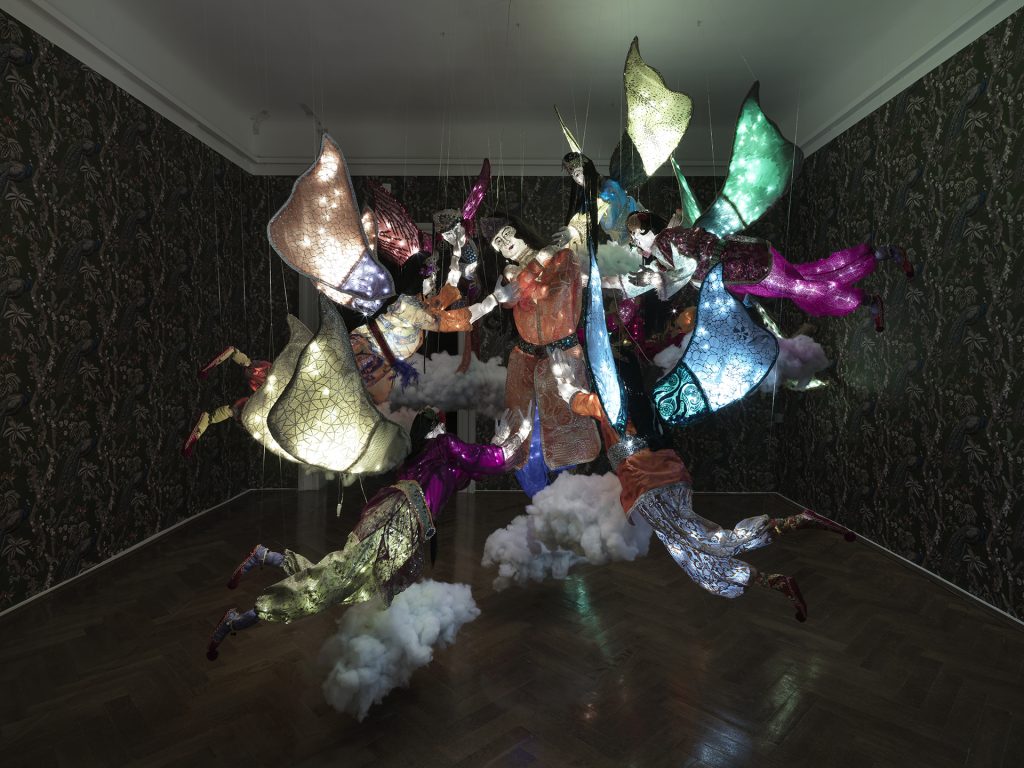
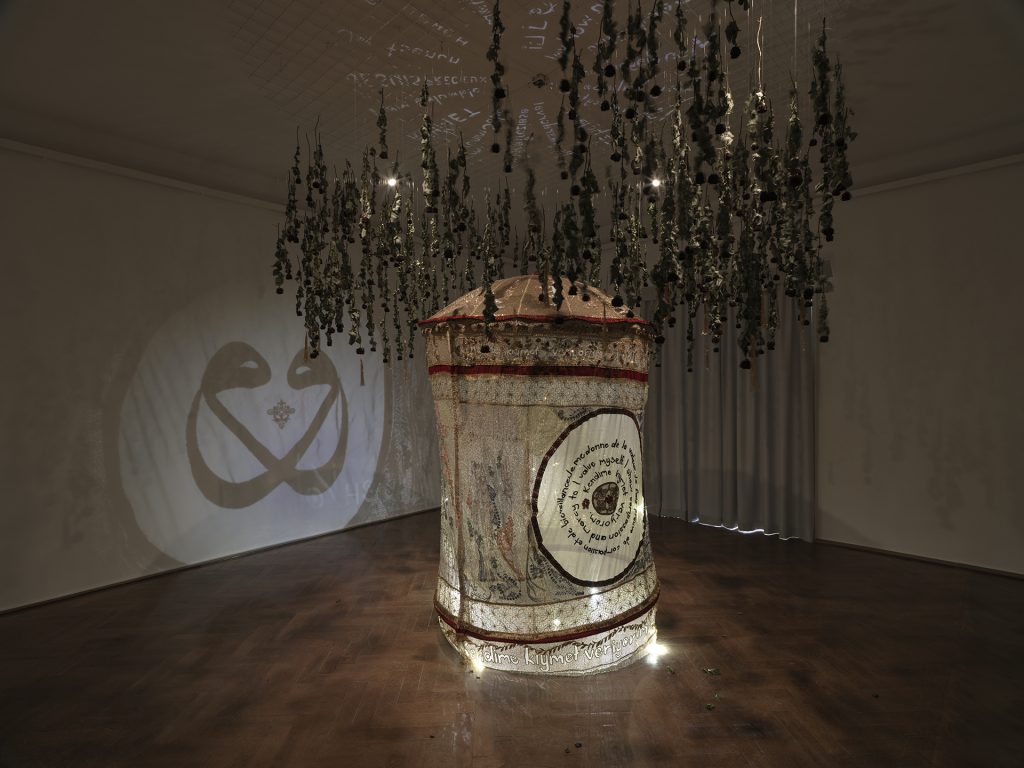
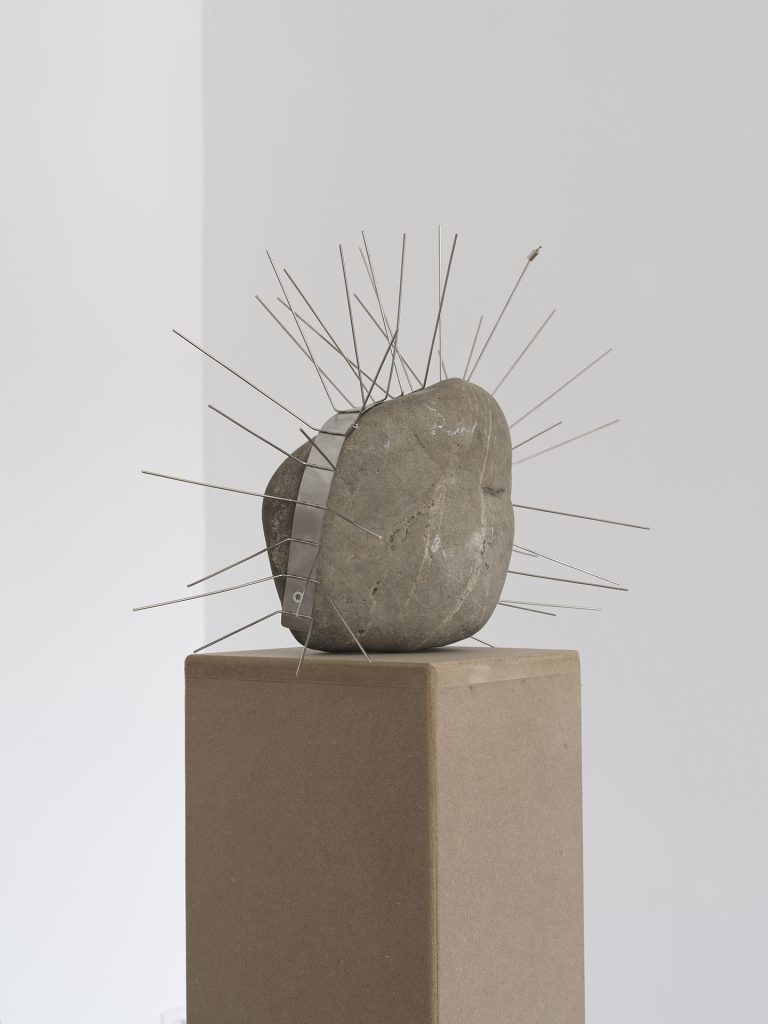
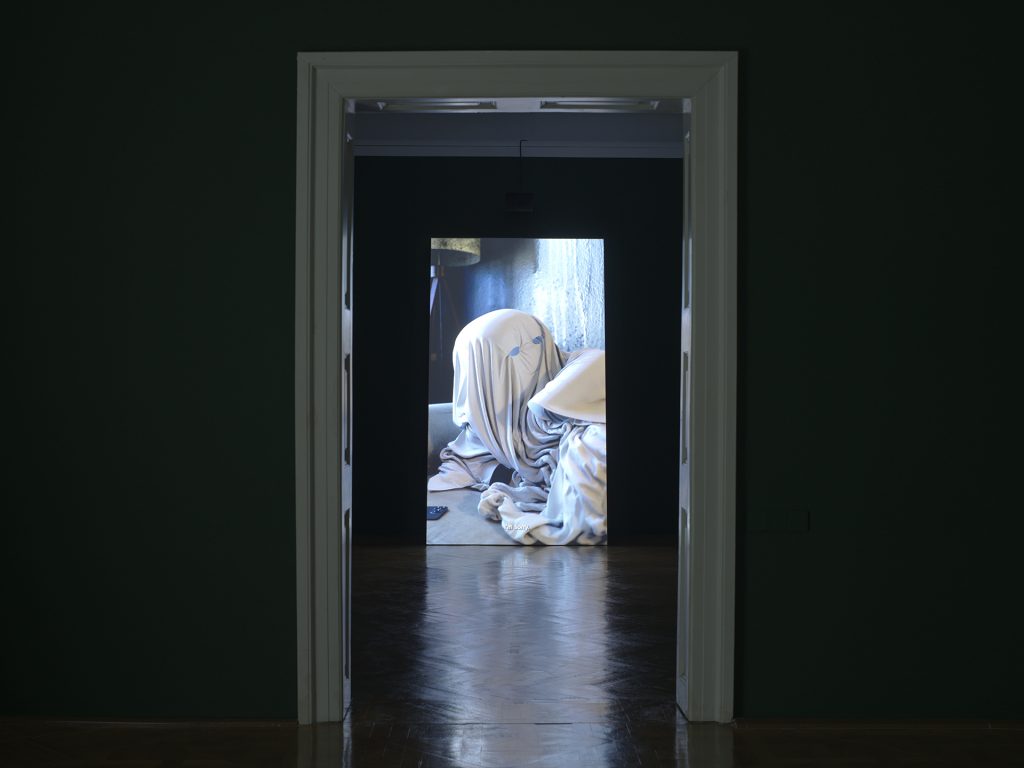
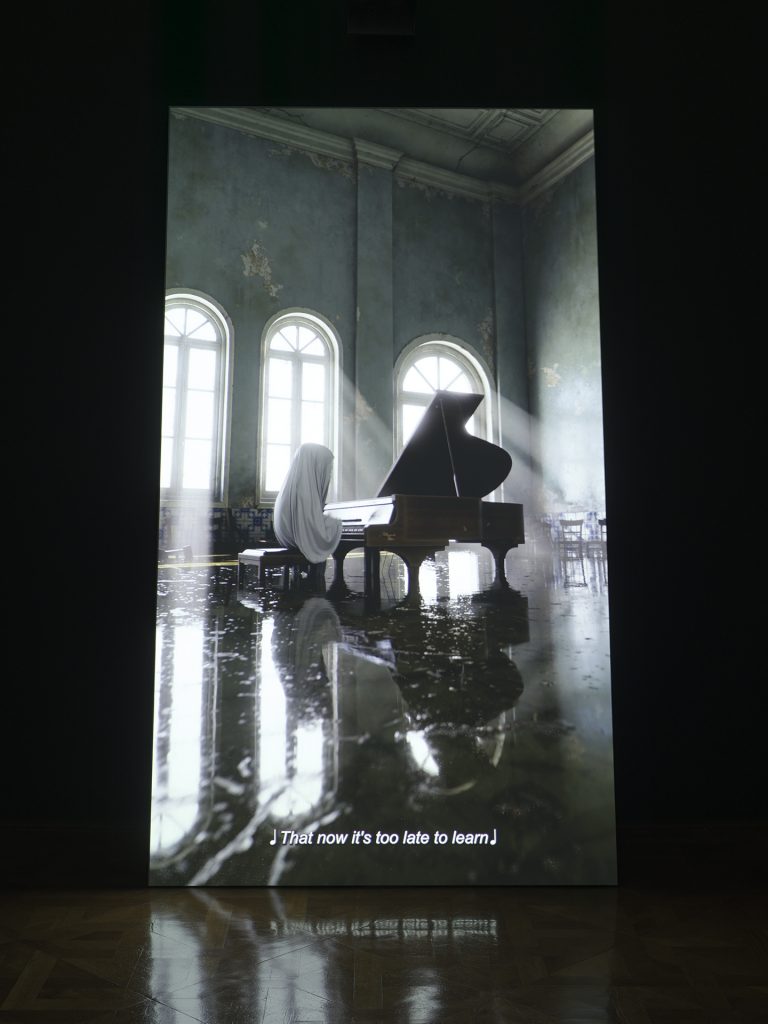
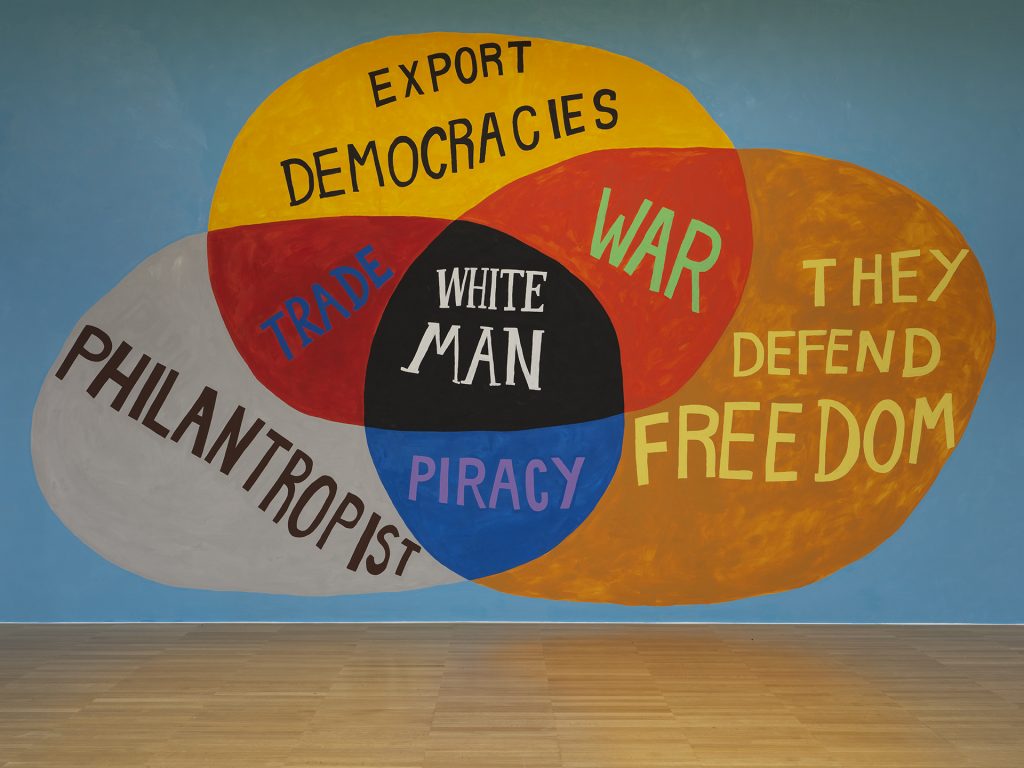
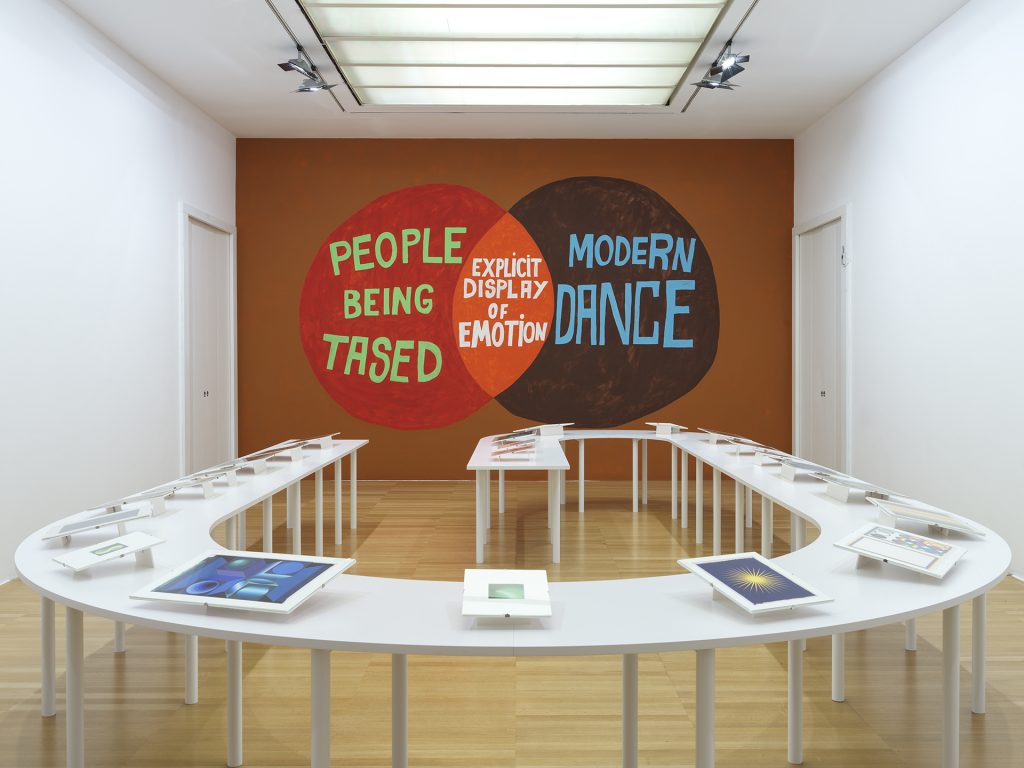
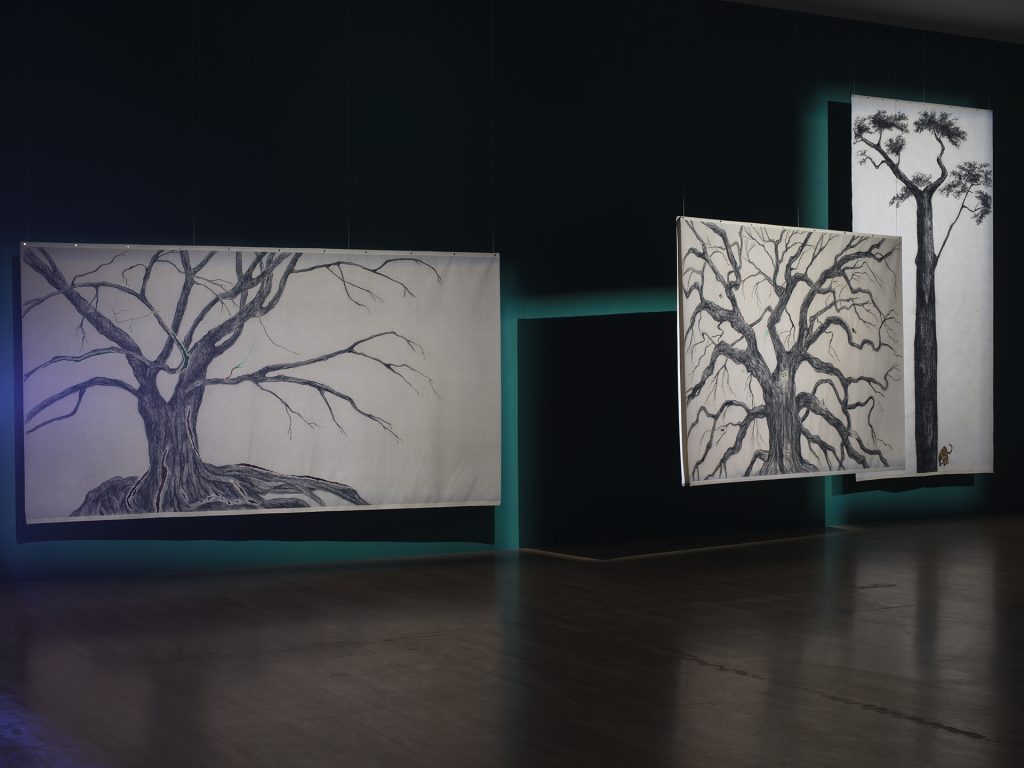
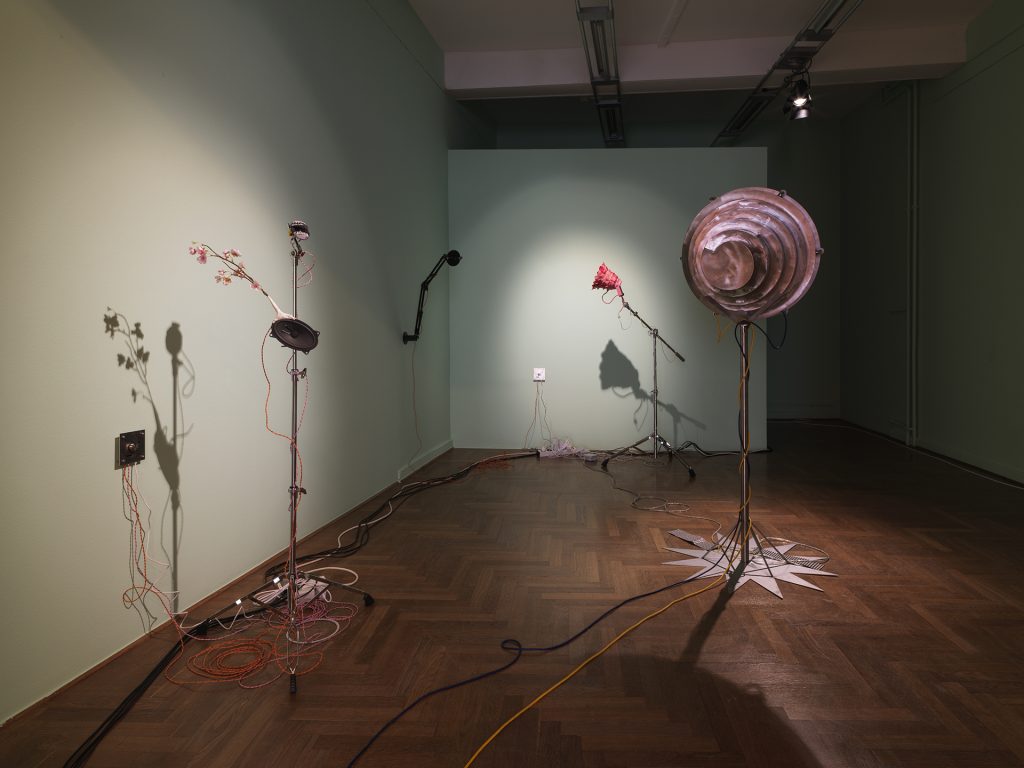
In MGLC Grad Tivoli, we encountered ghosts. Literally or metaphorically, stories from the human past, present and future, both cautionary and empowering, were present at the venue. MGLC Švicarija was, as historically intended, a haven, a place highlighting mutual care and innovative thinking aimed at a better and fairer future for all. Two art projects could be found outdoors in Tivoli Park, a public space that lives with the city in various ways all year long. There, we could enjoy art in the common good itself and simultaneously reflect on the unfairness of colonial usurpation of the world’s resources. The Modern Gallery joined artworks as testimonies to coexisting, defying war and violence, facing natural disasters and finding man’s place in nature and in relation to all other living creatures. The world we could find ourselves in was rich, full of stories and sentiments, a space of compassion and reflection. After a whirlwind of images, we could find rest at the City Gallery. Dreams were at the forefront there, alongside the harmony of the world we can feel when we immerse ourselves in it and really listen, and the transformation that awaits us.
At the exhibition The Oracle, through puppets and other narrators, the question of our shared future proved to be boundless. Though they continuously remind us of the crisis we face, the artworks by the selected artists are inspiring. Even when they don’t offer concrete answers and solutions, it seems we stand at the doorstep of a different kind of existence alongside them and with them; an existence that presumes more compassion, more deep and sincere understanding, and a bold prefiguration of the future.
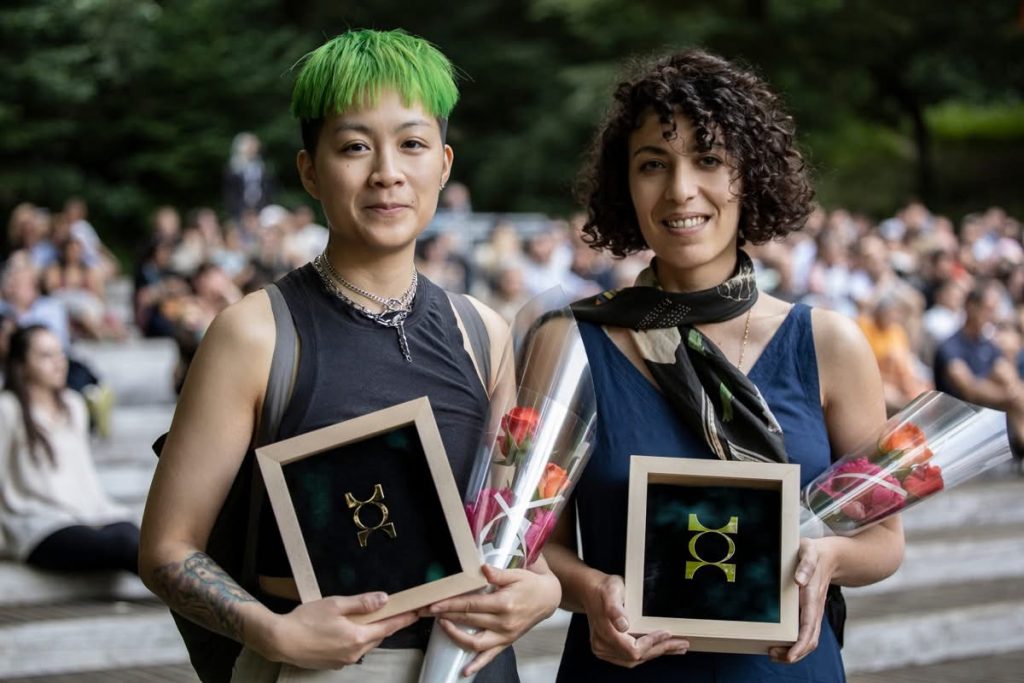
Alongside the main exhibition, three parallel exhibitions took place: the exhibition of the Grand Prize Recipient of the 35th Ljubljana Biennale of Graphic Arts, Tejswini Narayan Sonawane, titled One Moon, One Sun, the exhibition of the Audience Award Recipient of the 35th Ljubljana Biennale of Graphic Arts, the collective Sreda v sredo, titled Sreda v sredo & friends, and the exhibition The Beginning of Something Great: The Year 1955 and the 1st International Exhibition of Graphic Arts, marked by the 70th anniversary of Ljubljana Biennale of Graphic Arts and prepared in collaboration with the National Museum of Contemporary History of Slovenia. On the occasion of the grand anniversary, a Reader was published, containing articles by writers from Slovenia and abroad, which was presented at the international event at the close of the biennial. The Oracle was accompanied by two publications, namely the Exhibition Guide and a book of essays titled The Oracle: On Fantasy and Freedom, which reveals the background of the making of the main exhibition through various theoretical viewpoints of acclaimed authors and Chus Martínez’s curatorial diary. We get to know the unique imaginary of the Indian graphic artist Tejswini Narayan Sonawane through the exhibition publication One Moon, One Sun. As a special project of the biennial, the print portfolio was envisioned as a portable prophecy or a nomadic book, featuring artworks by selected artists (Sinzo Aanza, Saelia Aparicio, Miles Howard-Wilks, Eduardo Navarro, Manuela Morales Délano, Silvan Omerzu and Aili Vint) elucidating questions about how to live, create and imagine the world differently.